
Marina Basin Geometry: The Hidden Engineering Behind Safe, Comfortable Marinas
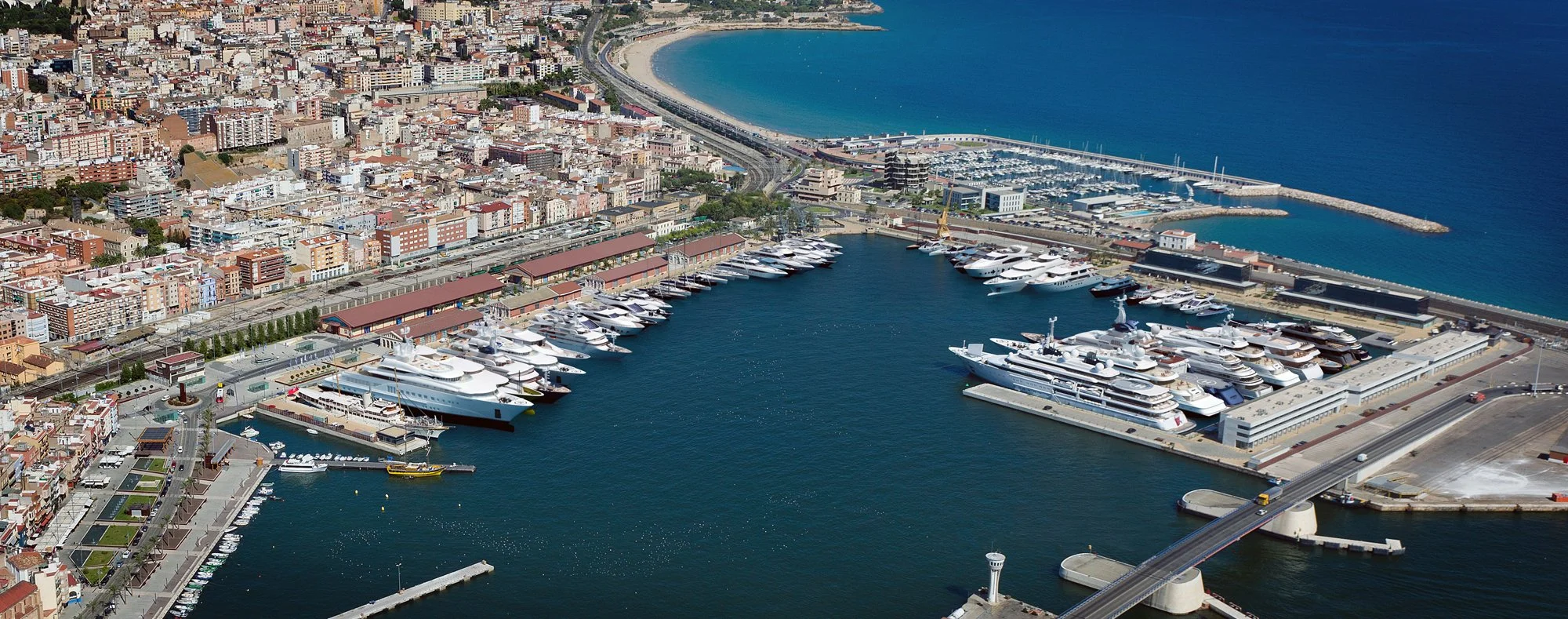
Basin geometry is one of the most misunderstood — yet most critical — components of marina design.
It determines:
maneuvering safety
circulation
water quality
customer comfort
operational flow
berth usability
long‑term performance
Across global markets, marinas succeed or fail based on how well their basins are engineered.
In 2026, basin geometry must be region‑specific, fleet‑specific, and future‑proof.
1. Basin Geometry Must Reflect Regional Conditions
Different global regions have different environmental and operational constraints.
Mediterranean (Italy, Spain, Croatia, Greece)
enclosed basins
low natural circulation
high seasonal traffic
strong charter turnover
United States (Florida, California, Great Lakes)
high trailer‑boat volume
mixed fleet behavior
strong tidal influence (East Coast)
large fairway requirements
Caribbean (BVI, Bahamas, St. Martin)
transit‑heavy fleets
catamaran‑dominant charter markets
long‑period swell influence
high provisioning traffic
Asia‑Pacific (Singapore, Thailand, Australia)
mixed‑use waterfronts
monsoon‑driven wave patterns
high tourism density
growing midsize cruiser fleets
Northern Europe (UK, Scandinavia)
strong winds
cold‑climate water behavior
seasonal peaks
high sailing traffic
GCC (UAE, Oman, Qatar, Saudi Arabia)
artificial basins with low natural flushing
long‑period swell from Shamal winds
high year‑round usage
rapidly growing midsize and large‑vessel fleets
Basin geometry must be region‑specific, not generic.
2. Basin Geometry Must Reflect Vessel Size Behavior
Different vessel sizes require different maneuvering space and circulation.
Small Boats (8–15m)
Needs:
short turning radii
fast access routes
clear fairways
efficient ramp proximity
Small boats create high‑frequency movement, not heavy load.
Mid‑Size Cruisers (15–30m)
Needs:
wider fairways
predictable circulation
stable water conditions
easy provisioning access
This segment creates steady operational flow.
Large Vessels (30–120m)
Needs:
deepwater access
large turning basins
surge protection
professional mooring zones
Large vessels create high‑intensity maneuvering requirements.
Suggested Image Placement (Mid‑Article)
Image: Basin geometry diagram (turning basin + fairway width + entrance channel) <br><br>
3. The Seven Pillars of Global Basin Geometry (2026)
1. Fairway Widths Based on Real Fleet Data
Fairways must reflect:
beam width
windage
maneuvering behavior
vessel growth trends
Narrow fairways are one of the most common global marina failures.
2. Turning Radii for Safe Maneuvering
Turning basins must support:
midsize cruisers
catamarans
large vessels
charter fleets
Turning radii determine safety and comfort.
3. Basin Shape & Circulation Management
Basin geometry must minimize:
dead zones
stagnation
reflections
surge
Circulation determines water quality and comfort.
4. Entrance Channel Geometry
Entrance channels must balance:
wave protection
navigation clarity
safety
accessibility
Entrance geometry is a major safety factor.
5. Berth Alignment & Operational Flow
Berths must align with:
fairways
circulation
customer flow
fueling access
charter turnover
Berth alignment determines operational efficiency.
6. Environmental Integration
Basin geometry must support:
water quality
tidal flushing
sediment management
eco‑friendly circulation
Environmental performance is a regulatory priority worldwide.
7. Future‑Proofing for Vessel Growth
Vessels are getting:
longer
wider
heavier
more maneuvering‑intensive
Basin geometry must reflect future fleet, not just current fleet.
4. Why Basin Geometry Determines Marina Success
Basin geometry drives:
safety
comfort
occupancy
customer satisfaction
operational efficiency
environmental performance
long‑term asset value
A marina with poor basin geometry will underperform — even if everything else is excellent.
5. Global Case Study Insights (Including GCC)
Mediterranean
Enclosed basins require strong circulation and wide fairways.
United States
Trailer boats and center consoles require fast‑access fairways.
Caribbean
Catamarans require wide fairways and large turning basins.
Asia‑Pacific
Mixed‑use waterfronts require integrated basin geometry.
Northern Europe
Strong winds require generous maneuvering space.
GCC
Artificial basins require engineered circulation and long‑period swell protection.
6. Homeport’s Basin Geometry Framework
Homeport ensures basin strategy reflects:
real regional environmental conditions
real fleet composition
real operational flow
real customer behavior
real future growth
This is why Homeport’s basin geometry frameworks are used globally — including the Mediterranean, US, Caribbean, Asia‑Pacific, Northern Europe, Australia, and the GCC.
Conclusion
Basin geometry is the hidden engineering behind marina safety, comfort, and performance.
In 2026, marinas must deliver:
region‑specific basin design
fleet‑specific fairways
strong circulation
safe turning radii
optimized entrance channels
future‑proof geometry
Homeport ensures marinas are engineered for real boats, real conditions, and real operations — anywhere in the world.